June is Elder Abuse Awareness Month and 1 out of 10 older and vulnerable Americans are experiencing some form of abuse. Most people are familiar with the obvious signs of elder abuse, especially if it is physical. Other types of abuse might not be as obvious, such as emotional, financial, sexual, or when an older adult is being neglected (if a caregiver is supposed to be helping) or even older or vulnerable adults neglecting themselves.
Some examples of emotional abuse, as listed on TN.gov under Adult Protective Services (APS) include:
- Isolation of the older, vulnerable adult and/or the caregiver refuses to allow visits with the older adult alone
- Caregiver doesn’t allow older/vulnerable adult to make or receive phone calls
- Threatening, belittling, or controlling behavior by the caregiver
- Older adult becomes withdrawn, anxious, or fearful
Signs or examples of financial abuse or exploitation:
- Sudden changes in the older, vulnerable adult’s financial condition
- Financial activity the older/vulnerable adult couldn’t have done, such as an ATM withdrawal when the account holder is bedridden
- No food in the home, disconnected utilities, and the home is not maintained, especially when a family caregiver is helping the older adult.
- The older adult has dementia, cognitive impairment, memory loss and has given “permission” to a family member/caregiver to withdraw money or use the older adult’s credit card. (If situational capacity is in question due to dementia, this is not considered permission.)
Signs or examples of sexual abuse of an older adult:
- Frequent genital or urinary tract irritation and infections
- Bruising on genitals, upper torso, or upper thighs
- Older, vulnerable adult indicates discomfort with caregiver while bathing, dressing, or using the bathroom
- Little to no privacy provided for bathing or dressing
- The older adult has dementia, cognitive impairment, memory loss and has given “consent” to sexual contact. (If situational capacity is in question due to dementia, this is not considered consent).
Signs or examples of neglect (including self-neglect):
- Unusual weight loss, malnutrition, dehydration
- Untreated physical problems, such as bed sores
- Poor personal hygiene
- Unsuitable clothing for the weather
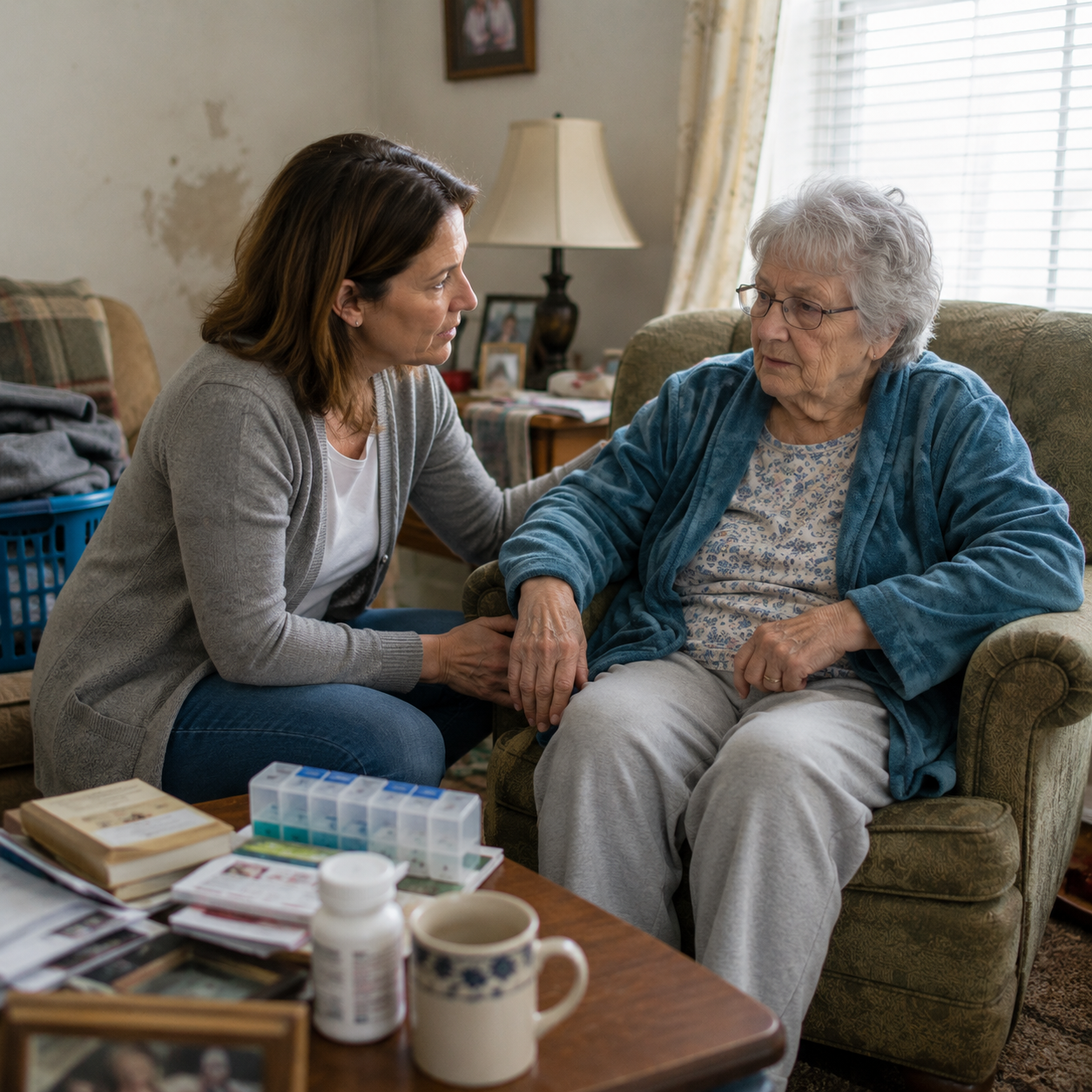
- Unsafe living conditions – no heat or running water, faulty electrical wiring, other fire hazards; presence of dirt, bugs, or soiled bedding/clothing
- Failure to seek needed medical treatment or refusal to allow caregivers to provide needed care
If you suspect a vulnerable adult is a victim of physical, emotional, or sexual abuse, neglect, self-neglect, or financial exploitation, it is your legal obligation to notify APS at: 1-888-APS-TENN (277-8366)
Keep in mind that older adults have the right to self-determination and can refuse APS or other assistance. However, if the older adult has dementia, cognitive impairment, or memory loss, individual situational capacity may need to be determined as well. The law mandates that the investigation is NOT voluntary.