When people think about in-home support, they often picture help with housekeeping, meal preparation, or transportation. While those services are important, they only tell part of the story. Some of the greatest benefits of in-home support happen through the everyday interactions that help older adults remain safe, connected, and independent.
Imagine an older adult named Mary.
Mary is 82 years old and has lived in the same home for more than three decades. She loves her independence and takes pride in staying in the place where she raised her family, celebrated holidays, and built a lifetime of memories.
Over the past year, however, some daily tasks have become more difficult.
What once felt routine now takes more time and energy. Standing long enough to prepare meals can be exhausting. Trips to the grocery store require more planning. Climbing stairs is harder than it used to be. Even sorting through mail or keeping up with household chores can feel overwhelming on days when she isn’t feeling her best.
When Mary’s caregiver arrives in the morning, they begin the day with conversation. Before any tasks are completed, there is a simple check-in.
How are you feeling today?
Did you sleep well?
Have you had breakfast?
As they talk, the caregiver notices several unopened pieces of mail sitting on the kitchen table. Mary explains that she keeps meaning to go through them but hasn’t gotten around to it. While making breakfast together, she mentions she hasn’t had much of an appetite lately and has mostly been eating whatever is easiest to grab.
Looking around the kitchen, the caregiver notices there is very little fresh food in the refrigerator. Nothing alarming. Just small things that could easily go unnoticed if no one was regularly checking in.
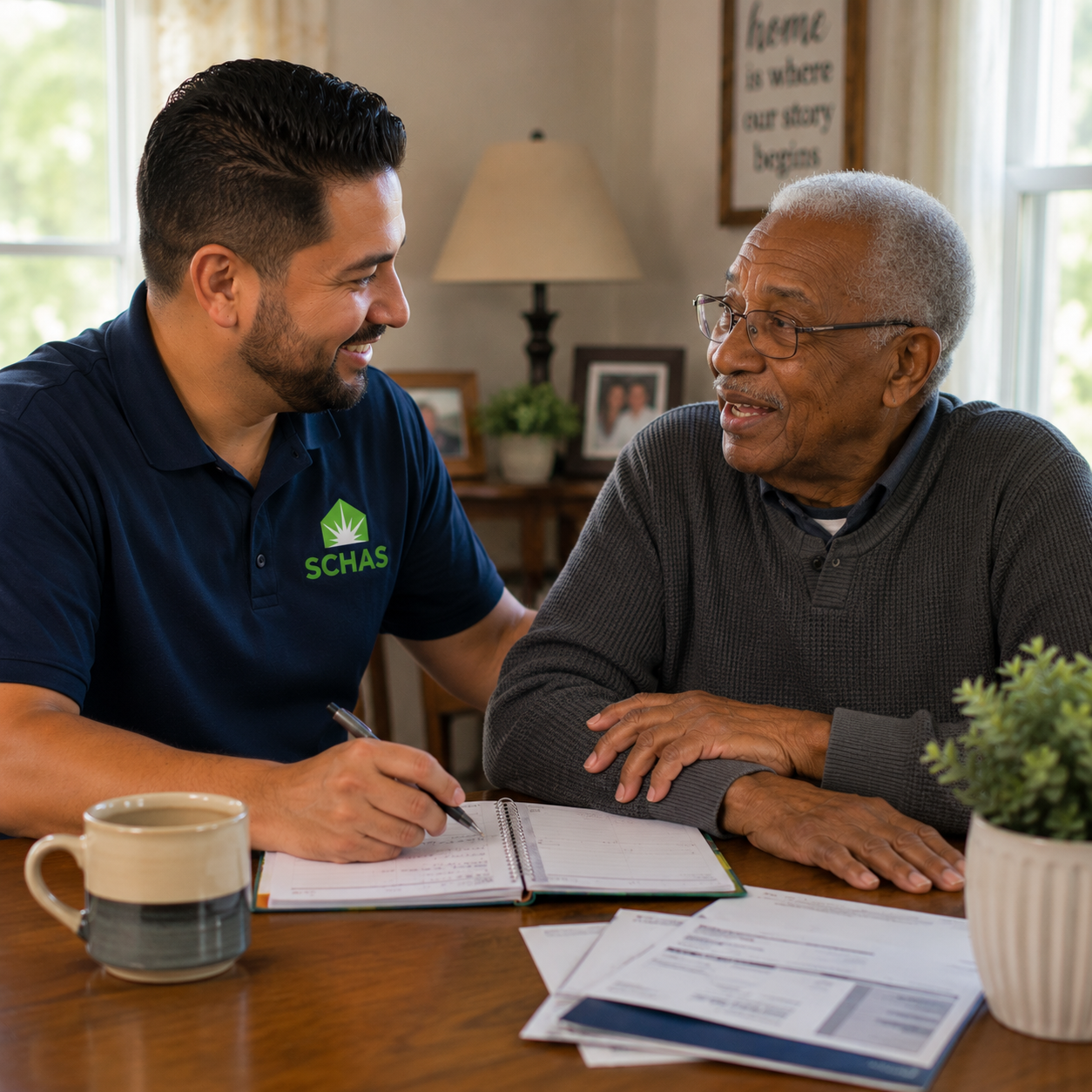
After breakfast, they spend time organizing the mail and making a grocery list for the week. The caregiver helps identify a few bills that need attention and makes a note to help coordinate transportation for an upcoming appointment.
Later in the morning, they work together to tidy up a few areas of the home. The caregiver notices a loose rug near the hallway and a stack of items that have slowly accumulated near the front door. These are simple things, but they could become safety hazards over time.
Throughout the visit, the caregiver is doing much more than assisting with household tasks. Caregivers are observing. Listening. Noticing changes. Paying attention to details that may indicate additional support is needed.
By lunchtime, the two sit together to enjoy a meal. The conversation shifts from daily tasks to family stories, favorite memories, and plans for the upcoming weekend. Mary smiles as she talks about her grandchildren and shares stories from years gone by.
For many older adults, these conversations are just as important as any service being provided.
Social isolation can have a significant impact on physical and emotional well-being. Regular interaction helps older adults stay connected, engaged, and supported while reducing feelings of loneliness.
In the afternoon, they review medications and talk about upcoming appointments. The caregiver notices that a few doses were missed during the week and helps create a simple reminder system to make things easier moving forward.
Again, it may seem like a small thing.
But often, it is the small things that make the biggest difference.
Neglect and self-neglect rarely happen overnight. They typically develop gradually through a series of small changes. A missed meal becomes several missed meals. Mail begins to pile up. Housekeeping becomes more difficult. Appointments are forgotten. Social interactions become less frequent.
Over time, these changes can impact an individual’s health, safety, and quality of life.
That is why consistent support matters.
Sometimes the greatest value of having someone in the home is not the task they perform, but the fact that they are there to notice when something changes.
At SCHAS, we understand that every individual has different needs. For some, support may mean assistance with meals, housekeeping, transportation, or personal care. For others, it may simply mean having someone check in regularly and provide companionship.
Either way, the goal remains the same: helping aging adults, Veterans, and people with disabilities remain safe, comfortable, and independent in the homes they love.
During Elder Abuse Awareness Month, it is important to remember that neglect and self-neglect are among the most common forms of elder abuse. Staying connected to loved ones, paying attention to changes in daily routines, and ensuring older adults have the support they need can make a meaningful difference.
Because sometimes the most important part of the day is knowing someone cares enough to notice.